
Short answer
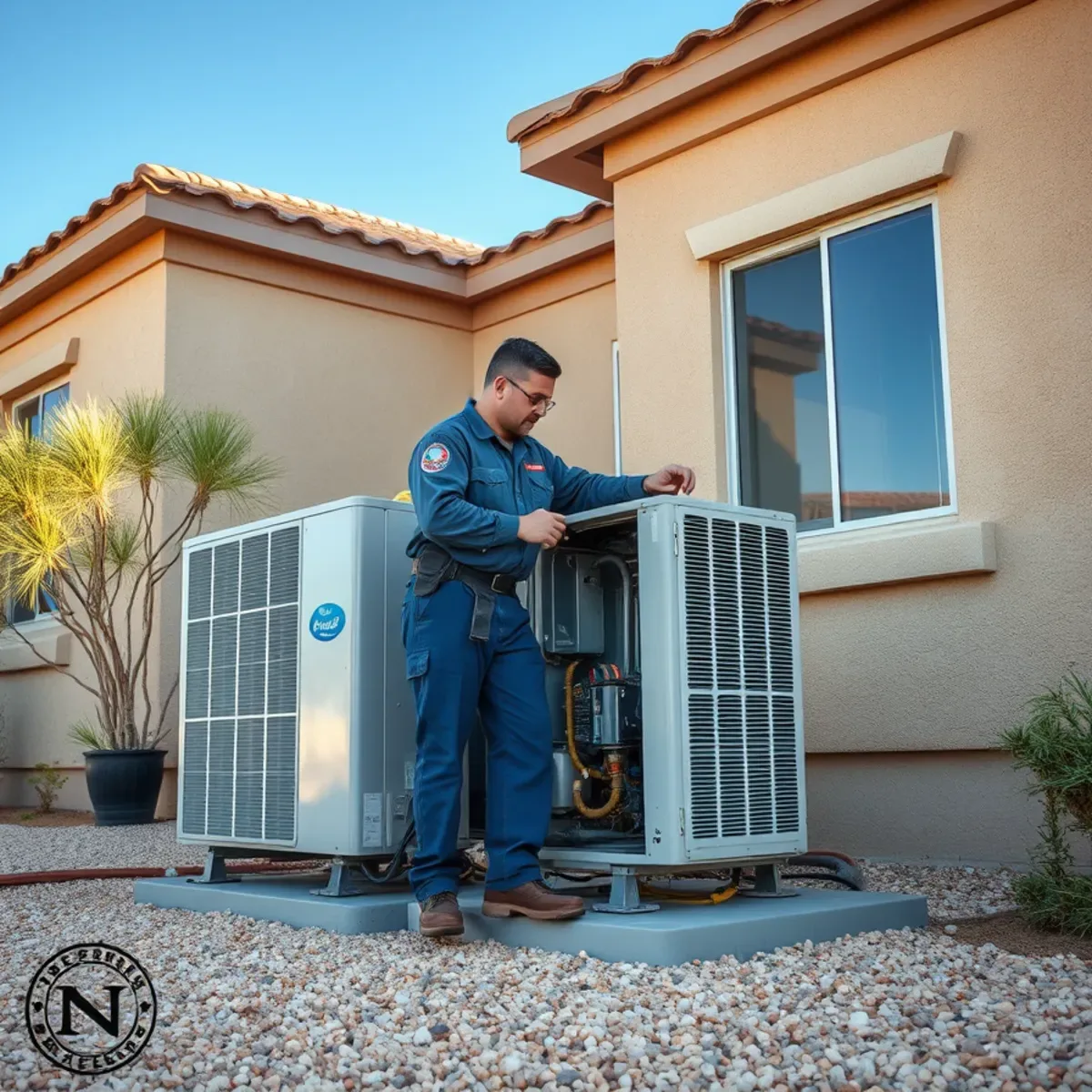
AC repair in Apache Junction is not a comfort call — from May through September the system is life support for the house, running near-continuously in conditions well past its 95°F rating. A surprising share of no-cool calls are not the air conditioner at all: they are a blocked condensate drain and a float switch protecting your ceiling.
AllStar is a home services company, not a plumbing-only shop. Heating and cooling work sits alongside plumbing and remodeling, and in this climate that combination makes practical sense — a large share of AC problems in Arizona are actually drainage problems, and we are already the company that deals with drains.
In Apache Junction, an air conditioner is not a comfort appliance. From May through September it is life support for the house, and it runs almost continuously in conditions most equipment is never designed for. Systems here work harder, foul faster, and need maintenance more often than the same units would anywhere else in the country.
We handle repair, diagnostics, seasonal maintenance and the condensate problems that flood hallway ceilings every summer, plus heating service for the handful of genuinely cold weeks this area gets.
Not cooling the way it should?
Diagnostics that measure instead of guess, and a straight answer on repair versus replace.
Signs your system needs a look
Running constantly and not keeping up
Low refrigerant, a fouled coil, restricted airflow or a system that was undersized for the house. Worth diagnosing before July.
Water stain on a ceiling
A blocked condensate drain overflowing the secondary pan. Extremely common here, and it damages drywall fast.
The unit shuts off on its own
Frequently a float switch doing its job because the condensate line is blocked. It is protecting your ceiling.
Weak airflow at the registers
A filter nobody changed, a fouled evaporator coil, or duct that has separated in an attic that hits 150 degrees.
Ice on the refrigerant line
Almost always low refrigerant or restricted airflow. Shut it off — running an iced system damages the compressor.
Rising bills with the same thermostat setting
Efficiency loss from dirty coils, low charge, or duct leakage. Measurable, and usually correctable.
What a ac repair job includes
Every quote covers the items below. If something is not on this list, it is not in the price — and we will say so before we start.
Diagnosis by measurement
Temperature split, static pressure, refrigerant readings and electrical component testing — measured, not guessed at from the low-side gauge.
Capacitor tested against its rating
Not eyeballed. Heat-sensitive parts in an unshaded outdoor unit are the most common failure here, and they are testable before they strand you.
Condensate line cleared and float tested
The item that most often prevents a ceiling repair. We physically raise the float to confirm it actually shuts the system down.
Condenser coil properly cleaned
Not rinsed. A fouled coil cannot reject heat, which raises head pressure and stresses the compressor continuously.
Price before the repair
And on ageing equipment, an honest repair-versus-replace comparison rather than a sales pitch.
Performance re-verified
We measure again after the repair to confirm the system is genuinely performing rather than merely running.
The condensate drain is the Arizona AC problem
Here is something most homeowners never learn until a ceiling stains: your air conditioner produces water. A lot of it. Warm humid air passing over a cold evaporator coil condenses moisture, and during monsoon humidity a residential system can produce several gallons a day. That water leaves through a small PVC condensate line, usually running through the attic to an exterior wall.
That line clogs. Dust drawn through the coil combines with condensate to form a sludge, algae and biofilm grow in a warm dark wet pipe, and the drain closes. When it does, water backs into the drain pan under the air handler, fills it, and comes through the ceiling below.
This is the single most common summer HVAC call in this region, and it is entirely preventable. A float switch in the pan will shut the system down before it overflows — if it exists and works, which is why your AC "randomly shutting off" in July is often the system protecting your drywall. We clear condensate lines, install or test float switches, and treat the line so it stays clear through the season.
Clear the line annually
Before cooling season, not after the ceiling stains. It is a short job with a big downside if skipped.
Verify the float switch
Test that it actually shuts the system down. Plenty are disconnected by whoever was annoyed by it last.
Treat the drain pan
Tablets that discourage algae and biofilm through the humid months. Inexpensive and effective.
Check the secondary pan
The pan under the air handler is the last defense. If it is rusted through or improperly drained, it will not save you.
What Arizona heat does to a system
Manufacturers rate equipment at 95 degrees. Apache Junction spends much of the summer well above that, and an attic-mounted air handler can sit in 150-degree ambient conditions. Everything about that shortens equipment life and makes maintenance non-optional.
Capacitors fail more here than anywhere else — they are heat-sensitive components sitting in an unshaded outdoor unit, and a failed run capacitor is one of the most common single-part no-cool calls we get. Condenser coils clog with dust and cottonwood in a landscape that supplies plenty of both, and a fouled coil cannot reject heat, which raises head pressure and stresses the compressor. Attic duct connections separate over years of thermal cycling, dumping expensive cold air into an attic.
The practical upshot is that annual maintenance is genuinely worth it here in a way it might not be in a mild climate. Coil cleaning, capacitor testing before it fails rather than after, refrigerant charge verification, and a condensate line clearing add up to a system that makes it through August.
Heating, briefly
Winter here is short but it is not nothing — Apache Junction sees overnight lows in the 30s, and homes at higher elevation toward Superstition Mountain and Gold Canyon run colder than the valley floor.
The problem with heat in this climate is that it sits unused for eight or nine months and then gets asked to work on the first cold evening. Dust accumulates on heat exchangers and burners, heat pumps sit idle through their reversing valve, and pilot and ignition assemblies get dirty. That is why so many "my heat will not turn on" calls come in the same week every year.
Running the heat for fifteen minutes in October, before you actually need it, tells you whether you have a problem while it is still a scheduling matter rather than a cold-night emergency. If it smells strongly of burning or does not come on, call us then rather than in December.
How an HVAC call runs
- 1
Diagnose before quoting
Temperature split, static pressure, refrigerant readings, electrical components and the condensate path — measured, not guessed.
- 2
Explain the finding
What failed, why it failed, and whether anything else is on the same trajectory.
- 3
Price up front
The repair cost before we do it. On aging systems, an honest comparison against replacement rather than a sales pitch.
- 4
Repair
Capacitors, contactors, motors, coil cleaning, condensate clearing, charge correction and duct repairs.
- 5
Verify performance
Re-measure after the repair to confirm the system is actually performing, not just running.
- 6
Preventive recommendations
What we would do before next summer, prioritized by what actually matters — no scare tactics.
What drives the price
Diagnostic visits carry a service call fee that applies toward the repair. Repairs are priced before we start.
- What failed
- A capacitor is a minor repair. A compressor or evaporator coil is a major one that opens the replace-versus-repair conversation.
- Refrigerant type
- Older R-22 systems are expensive to charge and getting more so. That fact often decides repair versus replace on its own.
- Access
- A ground-level condenser and a walkable attic are straightforward. Rooftop packages and tight attics take longer.
- System age
- On a fifteen-year-old system we will tell you honestly when a repair is throwing money at something near the end.
- Maintenance vs repair
- Scheduled seasonal maintenance is a fraction of the cost of an August emergency, and it is the cheapest HVAC money you can spend here.
Every quote is written, and the number does not change afterward. AZ ROC CR-37 Plumbing · BBB A+ accredited.
Why AllStar Home Services for ac repair
The condensate drain is a drain problem, and we do drains
Most HVAC companies treat it as an afterthought. It is the most common summer call in this region and the damage lands on your drywall — which we also repair.
Plumbing, HVAC and remodeling in one company
BBB accredits us under Plumber, Bathroom Remodel, Remodel Contractors and Drywall Repair. One contract, one crew, nobody pointing at somebody else.
The quote is the price
You hear the number before we start and it does not move afterward. It is the single thing customers mention most in our reviews.
4.7★ from 20 verified Google reviews
We publish every review including the two critical ones. A page of nothing but five stars tells you less than an honest one.
Where we provide ac repair
Cooling work runs across the whole service area and gets urgent fast in July. We deliver this from our 15th Ave shop across Apache Junction and Gold Canyon, then out through Queen Creek, San Tan Valley, Mesa, Gilbert, Chandler, Tempe and Fountain Hills.
Further out we cover Florence, Coolidge, Casa Grande, Maricopa, Eloy, Superior and Mammoth, and we are honest about when a small job does not justify the drive. Attic-mounted air handlers are common in this region's newer construction and are the worst case for condensate failures, because an overflow puts water through a ceiling rather than onto a garage floor. If yours is in an attic, get the pan and float switch checked before the season.
- AC Repair in Apache Junction
- AC Repair in Gold Canyon
- AC Repair in Queen Creek
- AC Repair in Mesa
- AC Repair in Superstition Mountain
- AC Repair in Ironwood Estates
AC Repair questions, answered
Related reading
 Seasonal
Why Your AC Drain Line Keeps Clogging in Summer
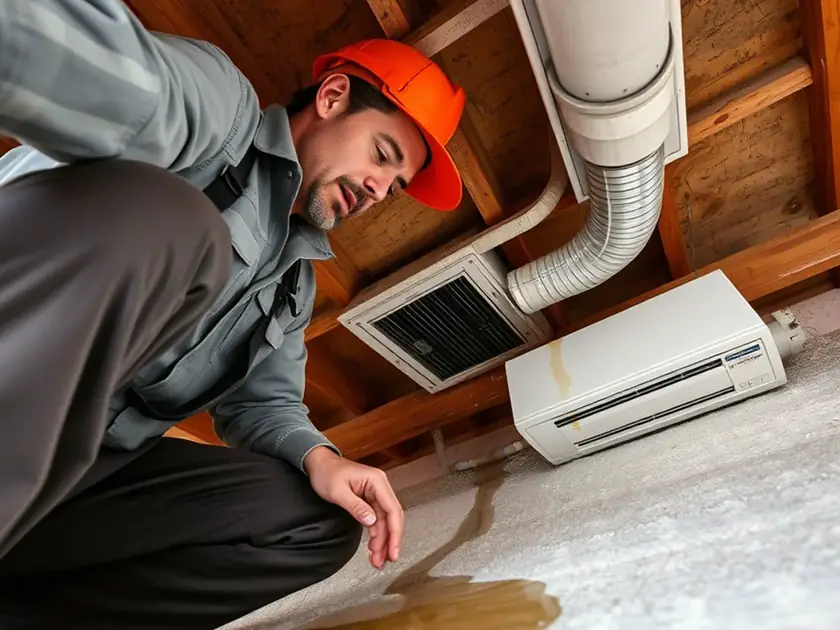
Your air conditioner produces gallons of water a day in monsoon humidity. When the small pipe carrying it away blocks, that water finds your ceiling instead.
6 min read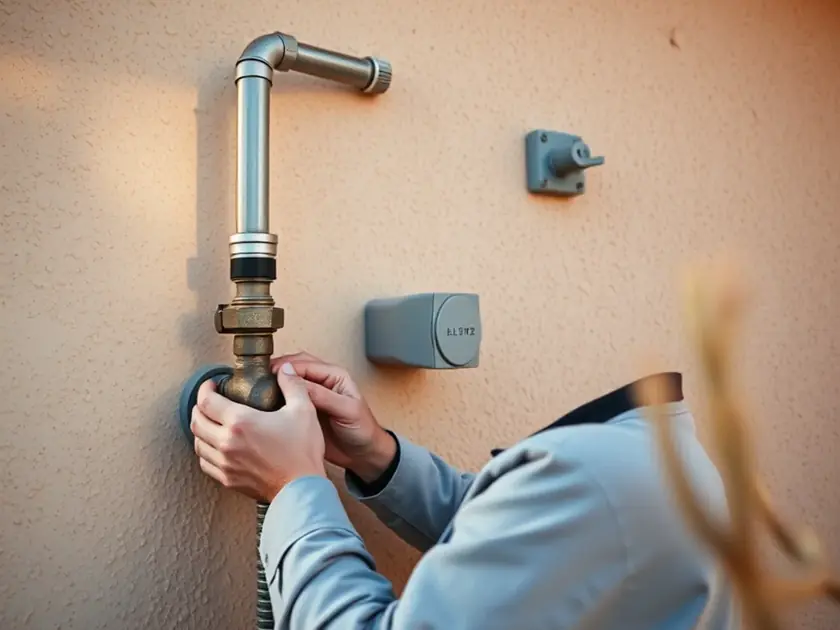 Seasonal
How to Prepare Your Plumbing for Arizona Summer Heat
Cold water that runs hot, hose bibs that split, attic lines at 150 degrees and a water heater in a 120-degree garage. Summer here is genuinely hard on plumbing.
6 min read