How to Prepare Your Plumbing for Arizona's Extreme Summer Heat
Cold water that runs hot, hose bibs that split, attic lines at 150 degrees and a water heater in a 120-degree garage. Summer here is genuinely hard on plumbing.
The short answer
Arizona summer prep is the opposite of freeze prep. Disconnect hoses so bibs are not holding pressurised water in the sun, check the water heater's T&P valve and expansion tank, verify attic line support and insulation, and clear the main sewer line before household water use climbs.
Everywhere else in the country, seasonal plumbing advice is about freezing. Here it is the opposite problem, and it is just as real.
An Arizona attic in July regularly exceeds 150 degrees. A garage sits above 120. Exterior pipe in direct sun gets hotter still. Water sitting in a service line under a sunbaked yard can arrive at your tap warmer than a comfortable shower. All of that stresses materials, accelerates the aging of every rubber and plastic component, and produces a specific set of summer failures.
Here is what to expect and what to do about it.
Cold water that comes out hot
This surprises people who are new to Arizona, and it is not a plumbing defect. Water service lines run relatively shallow, and by August the ground itself is warm well below the surface. Water sitting in that line between uses picks up ground heat, and on a bad afternoon the "cold" tap can deliver water at bathwater temperature.
There is no fix for the physics, but there are practical mitigations. Run the tap until the standing water clears, which is usually thirty seconds. Insulate any exposed exterior or attic-run cold lines. And know that this is also why a swamp cooler or an evaporative-cooled house feels different in July.
What is worth checking is whether it is actually ground heat or a crossover — a failed mixing valve or a bad cartridge letting hot water into the cold side. The tell is whether the cold runs hot at every fixture, which points to ground heat, or only at one, which points to a fixture problem.
Hose bibs and exterior fixtures
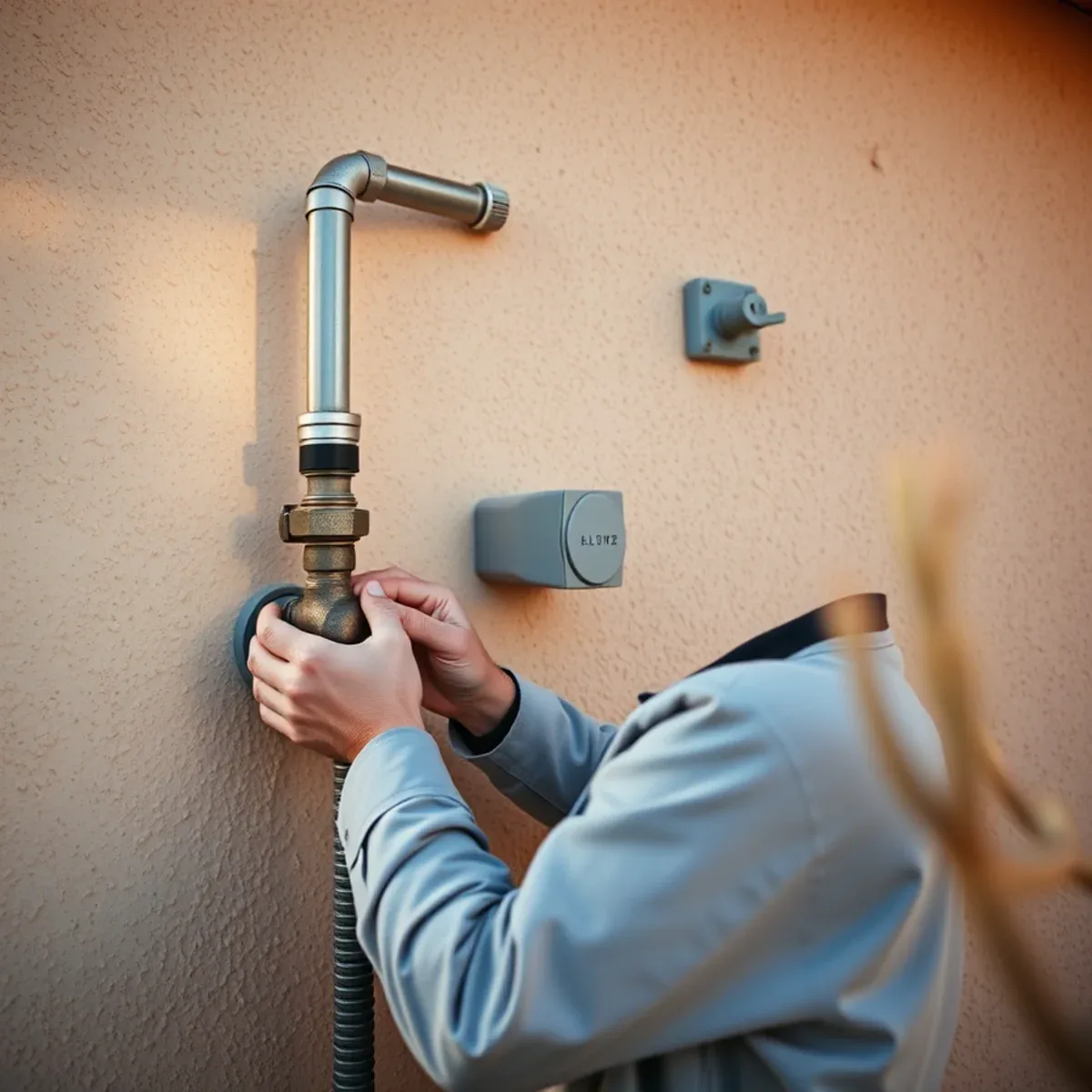
Exterior hose bibs take the worst of it: direct sun, thermal cycling, and UV degradation on any rubber or plastic components. Washers harden and crack, packing nuts loosen, and vacuum breakers — the small anti-siphon device on the top of the bib — fail and start spraying.
Hoses left pressurized in the sun are a genuine hazard. The pressure inside a black hose lying on hot pavement climbs substantially, and hoses split. Worse, a pressurized hose left connected keeps that pressure against the bib and its vacuum breaker around the clock.
The habit worth building: disconnect hoses when you are not using them, or at minimum shut the bib off. Replace a failed vacuum breaker rather than removing it — it is there to keep irrigation water from being siphoned back into your drinking water.
Disconnect hoses
Or shut the bib. A pressurized hose in the sun is a split waiting to happen.
Replace failed vacuum breakers
Do not remove them. They are backflow protection for your drinking water.
Check irrigation backflow
Assemblies degrade in UV and heat. Worth a look each spring.
Insulate exposed lines
Any supply line in direct sun benefits, both for temperature and for material life.
Attic-run water lines
A lot of Arizona homes — including every home we repipe — run supply lines through the attic. That is the correct approach, because it keeps water out of the slab where leaks are far more expensive. But attics here get brutally hot.
PEX handles it well, which is one of the reasons we use it. What deserves attention is support and abrasion: lines need to be properly supported rather than resting on a truss edge or a piece of ductwork, because thermal cycling over years will wear a hole wherever pipe rubs against something.
Insulating attic hot-water lines is worth doing — it reduces heat loss in winter and, more usefully here, reduces how much the line contributes to attic heat load. Insulating cold lines in an attic prevents them from picking up ambient heat.
If you have an attic-mounted water heater, verify that the drip pan is plumbed to an actual drain and consider a leak sensor with automatic shutoff. An attic tank failure puts water through your ceiling.
The water heater in a 120-degree garage
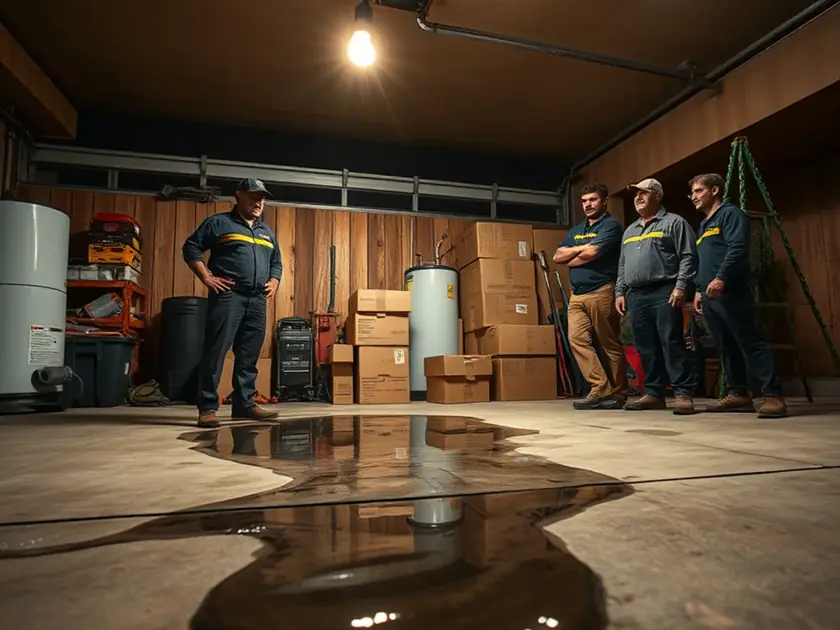
A hot garage is not all bad for a water heater — it reduces standby heat loss. What it does do is age every non-metallic component faster: the T&P valve, the gas control valve diaphragm, flexible connectors, the drain valve, and the expansion tank bladder.
Two things worth checking before summer. First, test the T&P valve by lifting the lever briefly and letting it snap back; it should discharge and then reseal. If it weeps afterward, it needs replacing — and if it was already weeping, that often indicates a thermal expansion problem rather than a bad valve.
Second, confirm there is a functioning thermal expansion tank. Tap it: the top should sound hollow and the bottom solid. If the whole thing sounds solid, the bladder has failed and it is no longer absorbing anything.
Summer water use and your sewer line
Household water use climbs in summer — more showers, more laundry, more irrigation. That extra volume is exactly what exposes a sewer lateral that is already marginal.
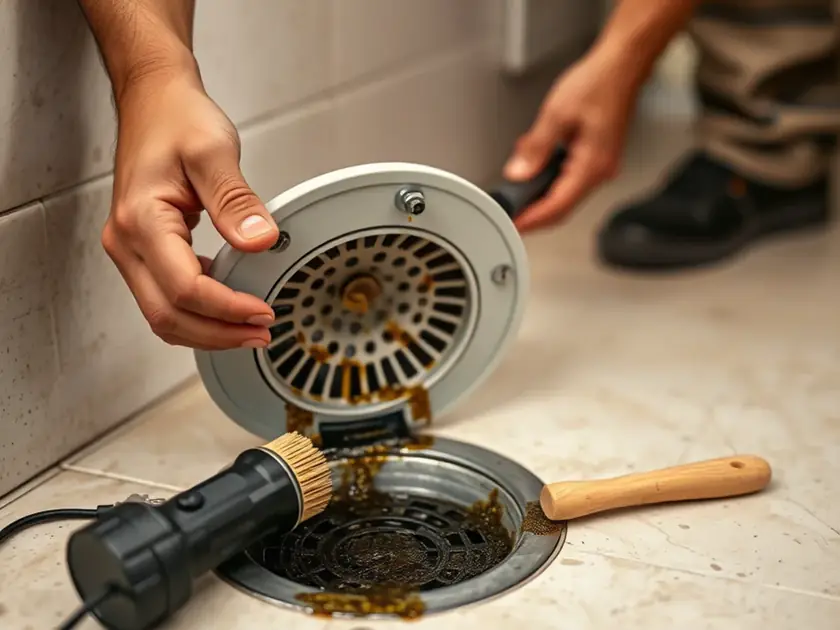
If your main line has ever backed up, summer is when it will do it again, and it will do it in combination with a monsoon storm at the least convenient moment. Clearing it in the spring is the cheapest version of this problem.
Also worth knowing: a hidden leak costs more in summer, because water rates in many Arizona jurisdictions are tiered and heavy summer irrigation already pushes households into higher tiers. A slab leak that would have been an annoyance in February becomes a genuinely expensive bill in July.
Frequently asked questions
Get ahead of it in spring
Hose bibs, the T&P valve, the expansion tank, attic line support, and the main sewer line — that is a short list and it is all much easier in April than in August.
We do pre-season plumbing checks across Apache Junction and the East Valley, and for part-year residents we are happy to do a shutdown check before you leave and a startup check when you come back.
Services mentioned in this article
- Water Heater Repairin Apache Junction, AZ
- Faucets & Fixturesin Apache Junction, AZ
- Drain Cleaningin Apache Junction, AZ