Signs You Need a Whole-Home Repipe (Before It Becomes an Emergency)
A repipe is a real expense and it is not always the answer. Here are the seven signs that genuinely point to one — and the situations where somebody is overselling you.
The short answer
Seven signs point to a repipe: gray polybutylene pipe under the sinks, two or more pinhole leaks in a couple of years, pressure that has faded gradually, rusty water on the first draw, a slab leak in original copper, a persistent metallic taste, or constantly clogging aerators.
Repiping a house is a significant expense, and it is one where homeowners are understandably suspicious of being oversold. So this article is written to work in both directions: here is what genuinely indicates a repipe is due, and here is when it is not.
The honest framing is that a repipe is not a repair — it is the end of a pattern. If you are fixing individual leaks in a system that keeps producing them, you are paying repeatedly to delay something rather than to prevent it.
Seven signs, in roughly the order of how conclusive they are.
1. Gray plastic supply pipe (the conclusive one)
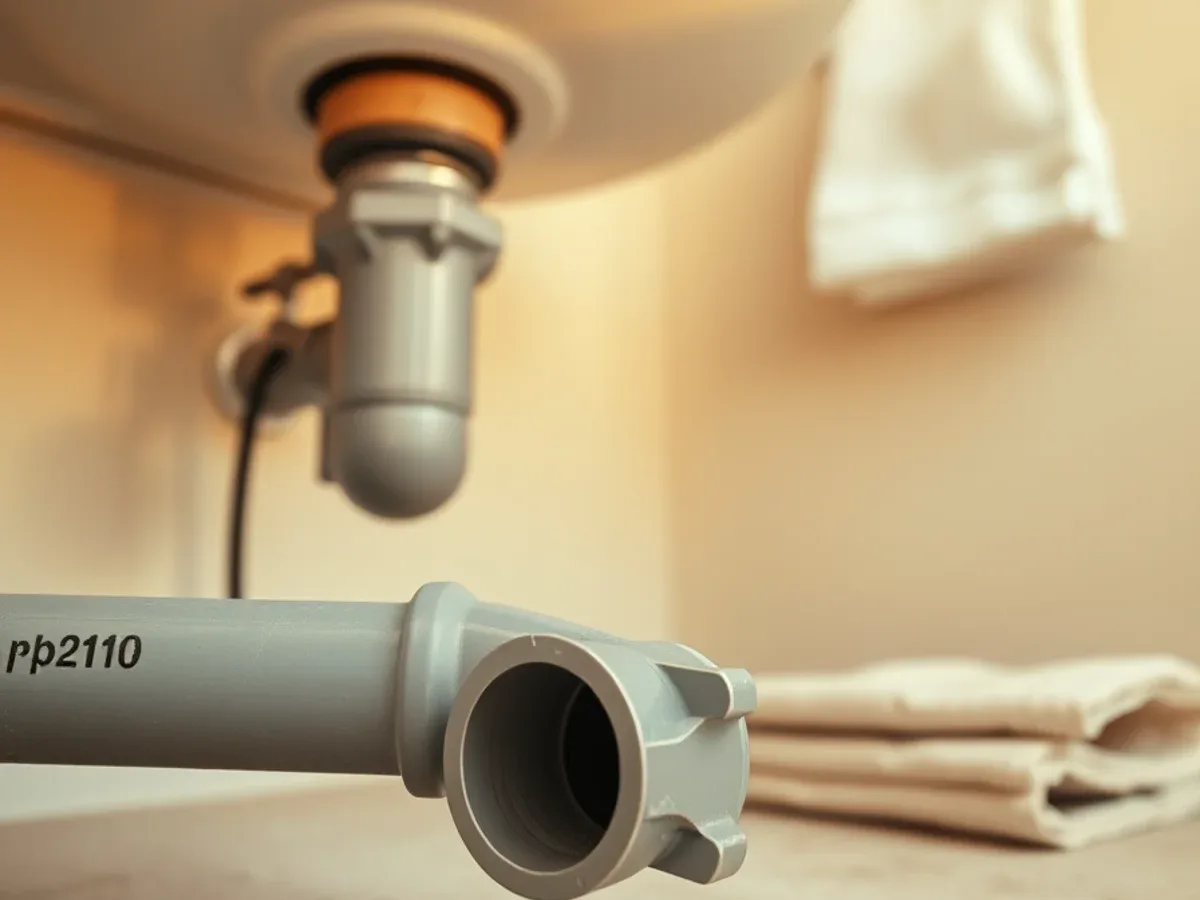
Open the cabinet under a bathroom sink and look at the pipe coming out of the wall, then check at the water heater. Dull gray, blue-gray or black flexible pipe, roughly half or three-quarter inch, usually stamped PB2110, joined with crimped copper or gray plastic fittings — that is polybutylene.
It was installed in millions of homes between roughly 1978 and 1995, and Apache Junction, east Mesa and older Chandler all have a lot of housing from exactly that window.
Polybutylene degrades from the inside as chlorine in treated water attacks the material, producing micro-fractures that propagate through the wall. The pipe becomes brittle while looking completely normal from outside, and it does not fail with a warning drip — it splits, at full pressure, usually behind drywall.
This is the one sign where the answer is a repipe regardless of whether anything has leaked yet. A house that has never had a polybutylene failure is not a house with good polybutylene; it is a house whose turn has not come.
2. Two or more pinhole leaks in a couple of years
A single pinhole leak in copper is bad luck. Two or three in different locations within a couple of years is a system telling you something.
Pinhole corrosion in copper works from the inside out, driven by water chemistry, velocity and in some cases the way the system was installed. The conditions that produced the first one exist along every run of the same age and material.
This is the sign homeowners most often talk themselves out of, because each individual repair is affordable. But the pattern matters more than any single leak — and each repair is money that does nothing for the next one.
If the leaks are under the slab rather than in walls, the argument for a repipe or at minimum a reroute gets considerably stronger, because slab repairs carry concrete cutting and flooring restoration on top of the plumbing.
3. Pressure that has faded over years
Not pressure that dropped suddenly — that is a different problem, usually a failed regulator or a leak. Pressure that has quietly declined over a decade or more, to the point where you have adapted to it without noticing.
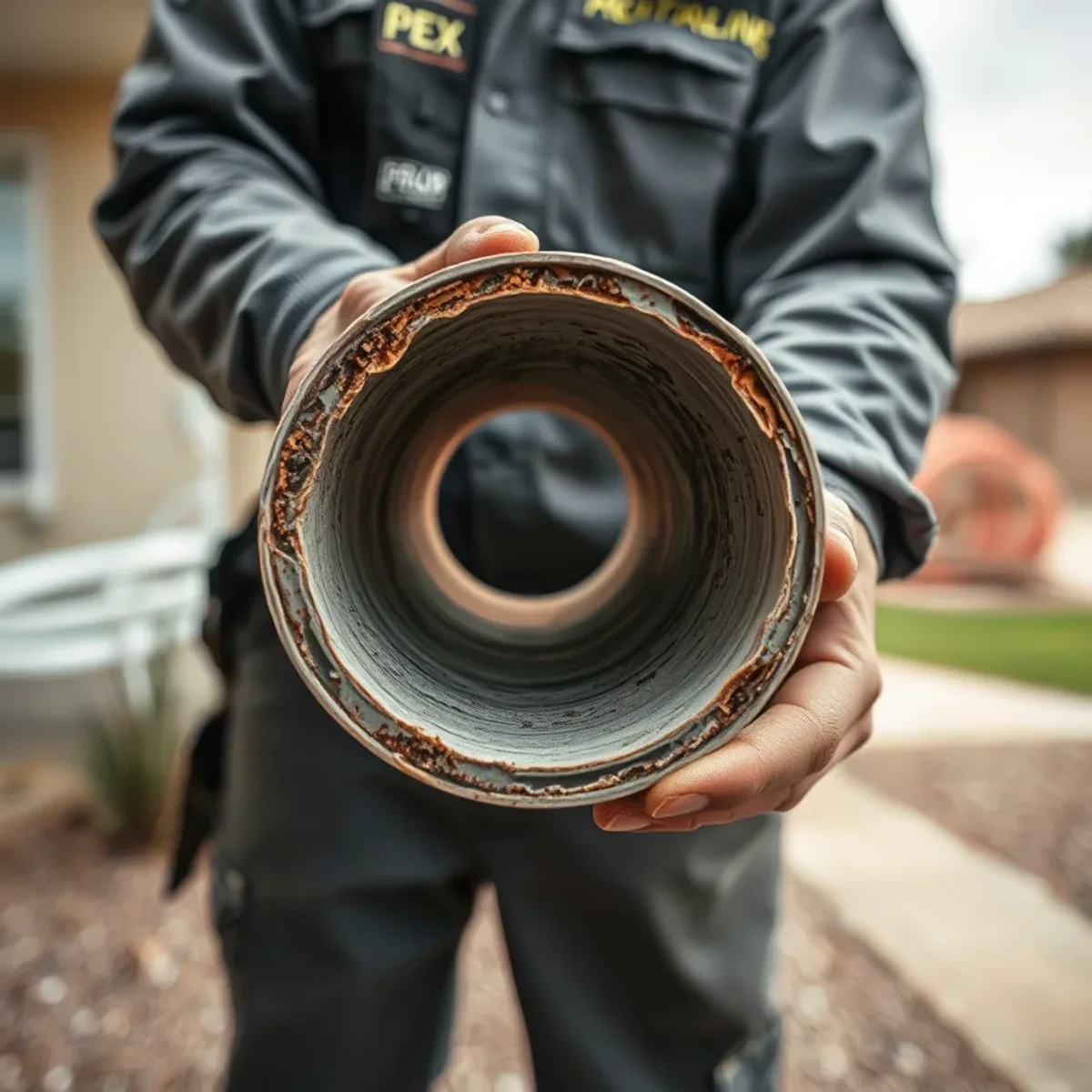
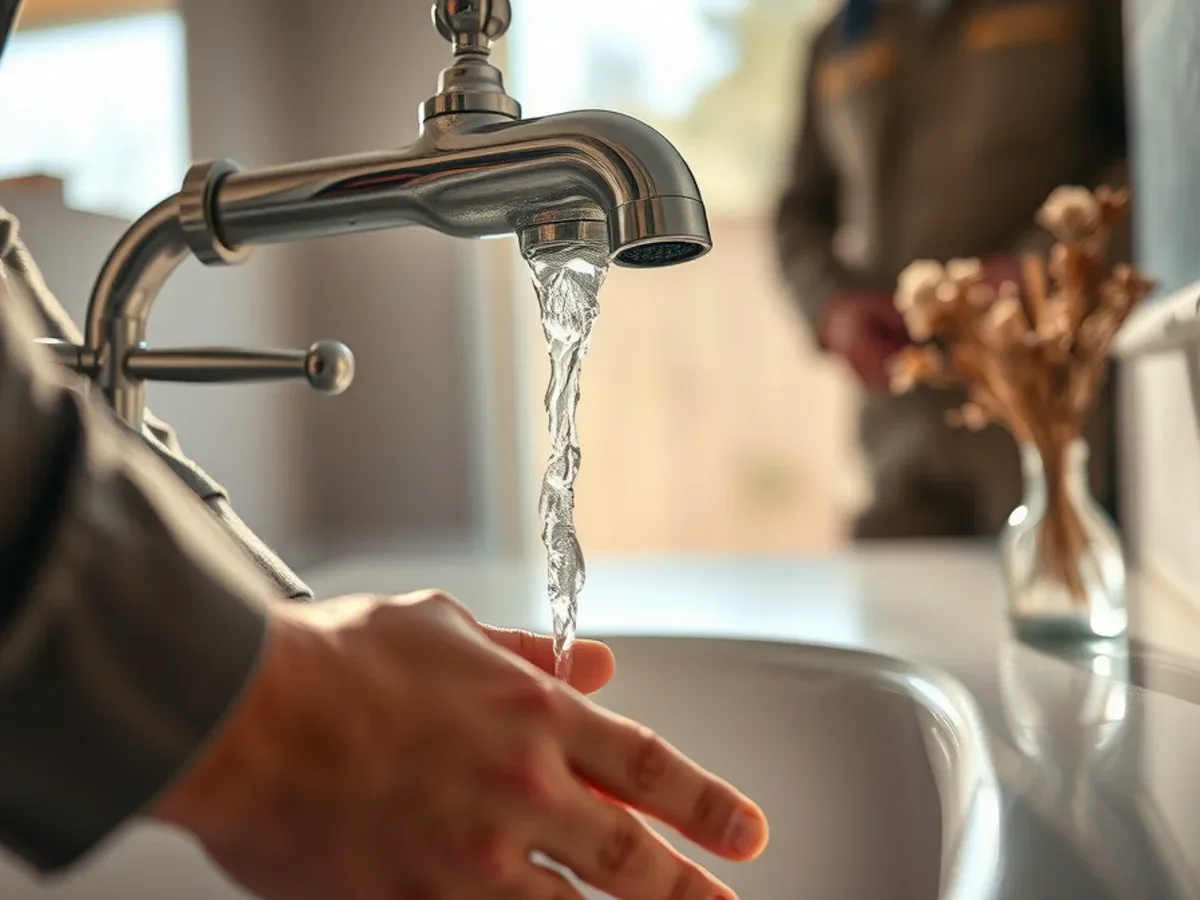
That is the signature of galvanized steel supply pipe rusting closed from the inside. The zinc coating wears, the steel corrodes, and rust builds inward until a three-quarter-inch line moves the volume of a straw.
The confirming symptoms are consistent: a large drop when a second fixture opens, hot water noticeably weaker than cold, and brown or rusty water on the first draw of the morning that clears after a minute.
There is no repair. Replacing a section moves the restriction rather than removing it, because the whole run is failing at the same rate. A repipe is the only thing that changes it, and the improvement is immediate and dramatic.
Polybutylene present
Conclusive. Plan a repipe regardless of leak history.
Repeat pinhole leaks
Two or more in a couple of years is a pattern, not bad luck.
Gradual pressure decline + rusty morning water
Galvanized closing from the inside. Not repairable.
One slab leak on an ageing system
Rarely the last. Time to talk about reroute or repipe rather than a fourth patch.
4. Rusty or discoloured water on the first draw
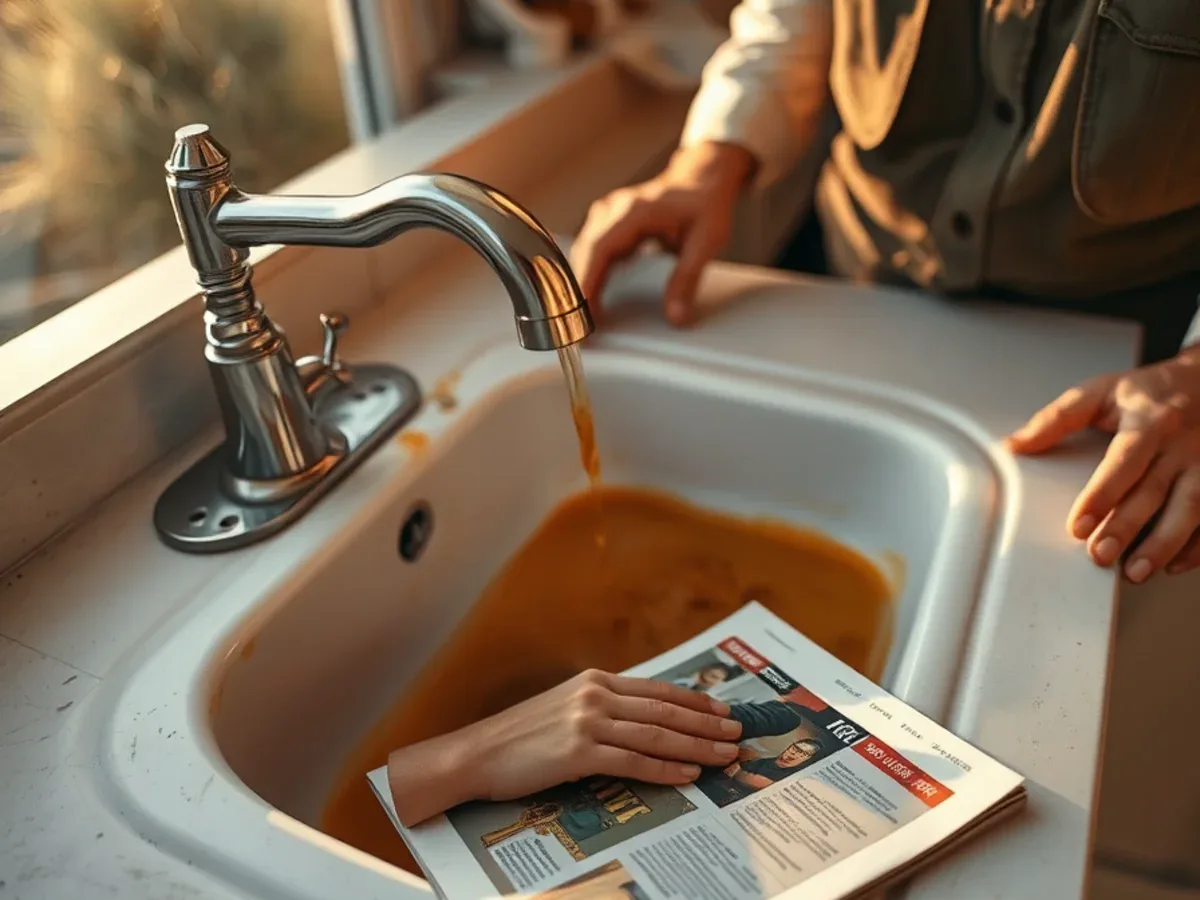
Turn on a tap that has not been used overnight. If the water comes out brown, orange or yellow and clears after thirty seconds to a minute, that is corrosion product from inside your supply piping settling out while the water sat still.
On the hot side only, it more likely points at the water heater — a spent anode rod and a corroding tank. That is a water heater conversation rather than a repipe.
On both hot and cold, throughout the house, it is the pipe. Galvanized steel is the usual culprit and it is not something that improves.
Worth ruling out first: a utility main flush or nearby hydrant work can cause temporary discolouration across a neighbourhood. If your neighbours have it too and it resolves in a day, that is what happened.
5. A slab leak in a house with original copper
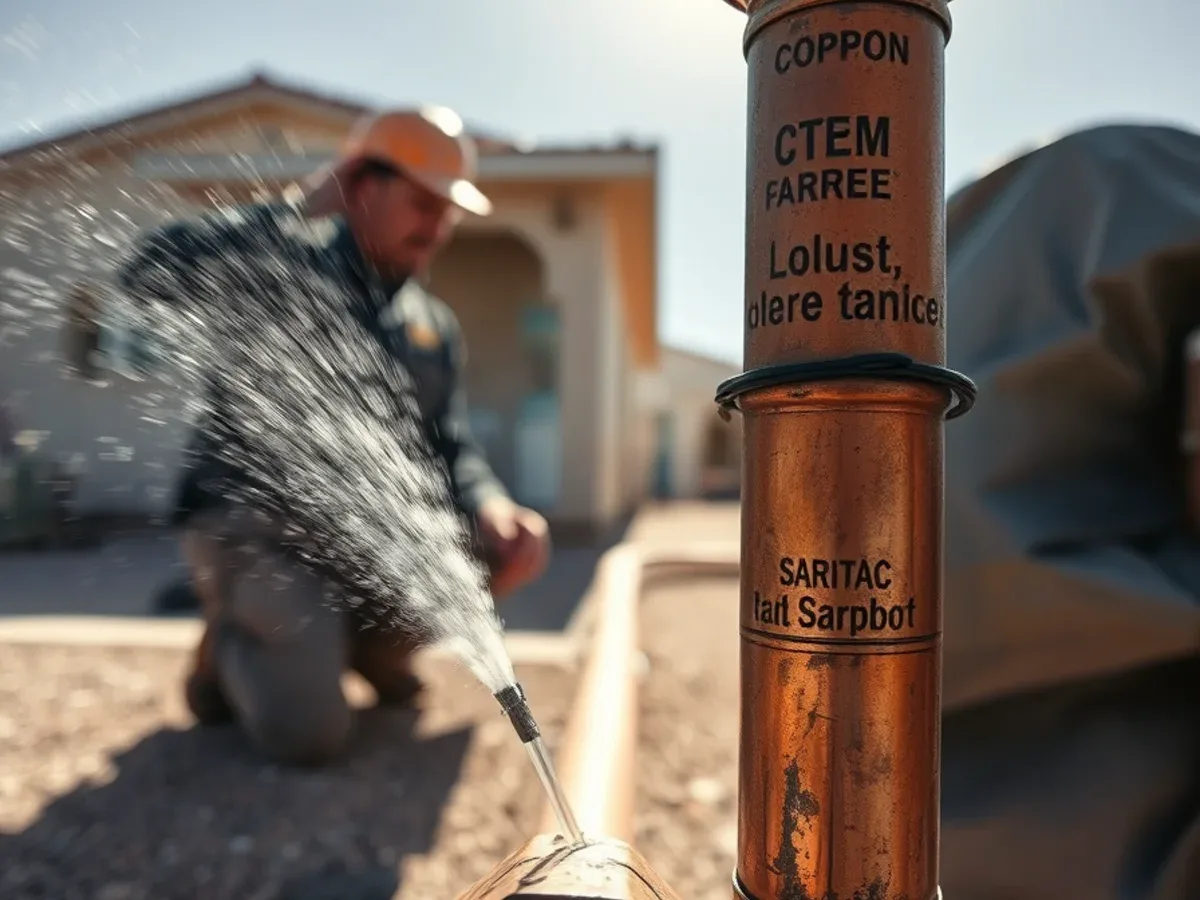
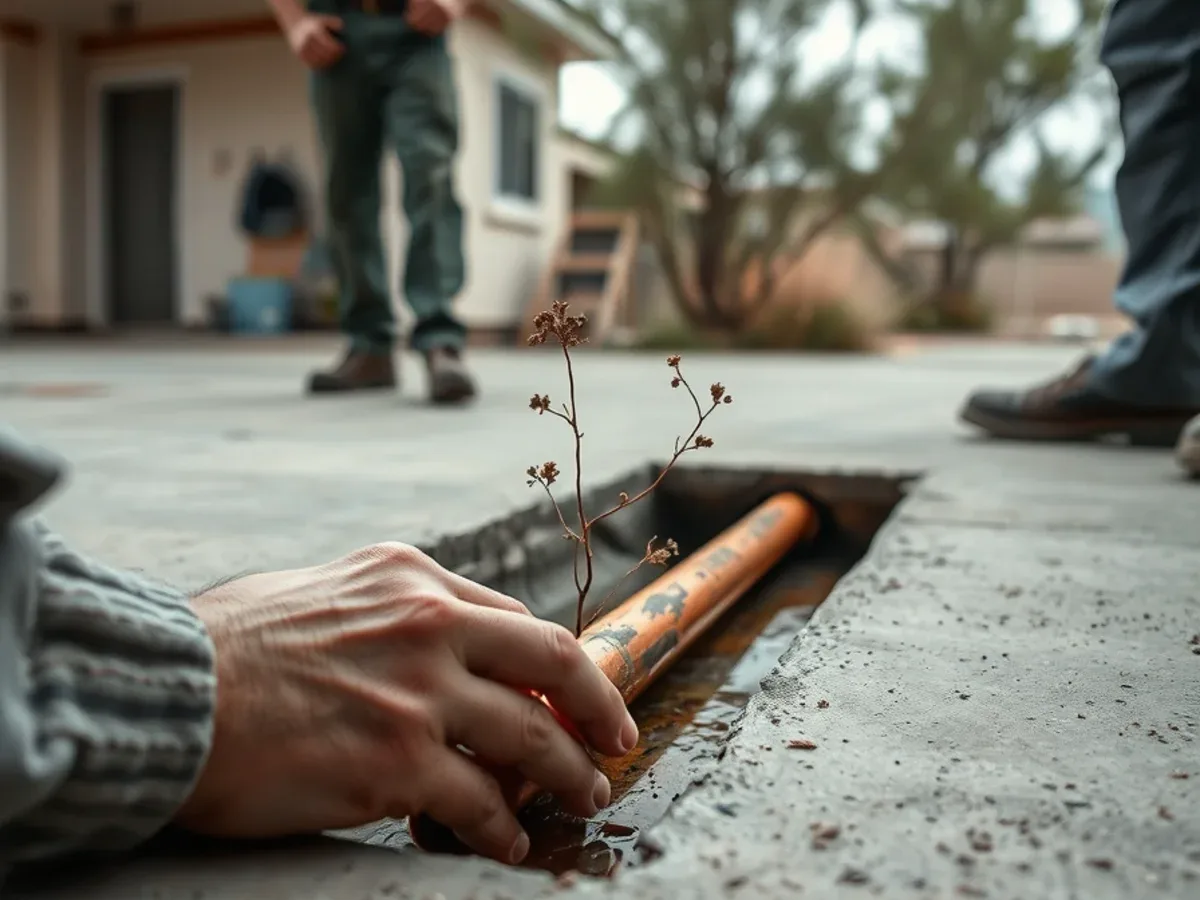
Almost every home in Apache Junction is slab-on-grade, and where copper was poured directly into the concrete without proper sleeving it abrades every time hot water flows and the pipe expands. Hot lines cycle most, so they fail first.
A first slab leak in a house from the 1980s or early 90s is worth taking seriously as a signal rather than an isolated event. The same conditions exist along the whole run and along every other run of the same vintage.
The decision at that point is genuinely three-way. A spot repair is cheapest and is reasonable when the system is otherwise healthy. A reroute abandons that under-slab run and takes a new line overhead through the attic, which costs more and means that run can never leak under concrete again. A repipe addresses the pattern.
By the second or third slab leak, the honest conversation is about the third option. Spot-repairing a system that is producing leaks on a schedule is expensive delay.
6. Metallic taste, or fixtures that clog constantly
A persistent metallic taste in the water, particularly first thing in the morning, is worth investigating. In older galvanized systems it comes from corrosion product; in some circumstances it can indicate lead in old solder joints or fittings, which is a health question rather than a comfort one.
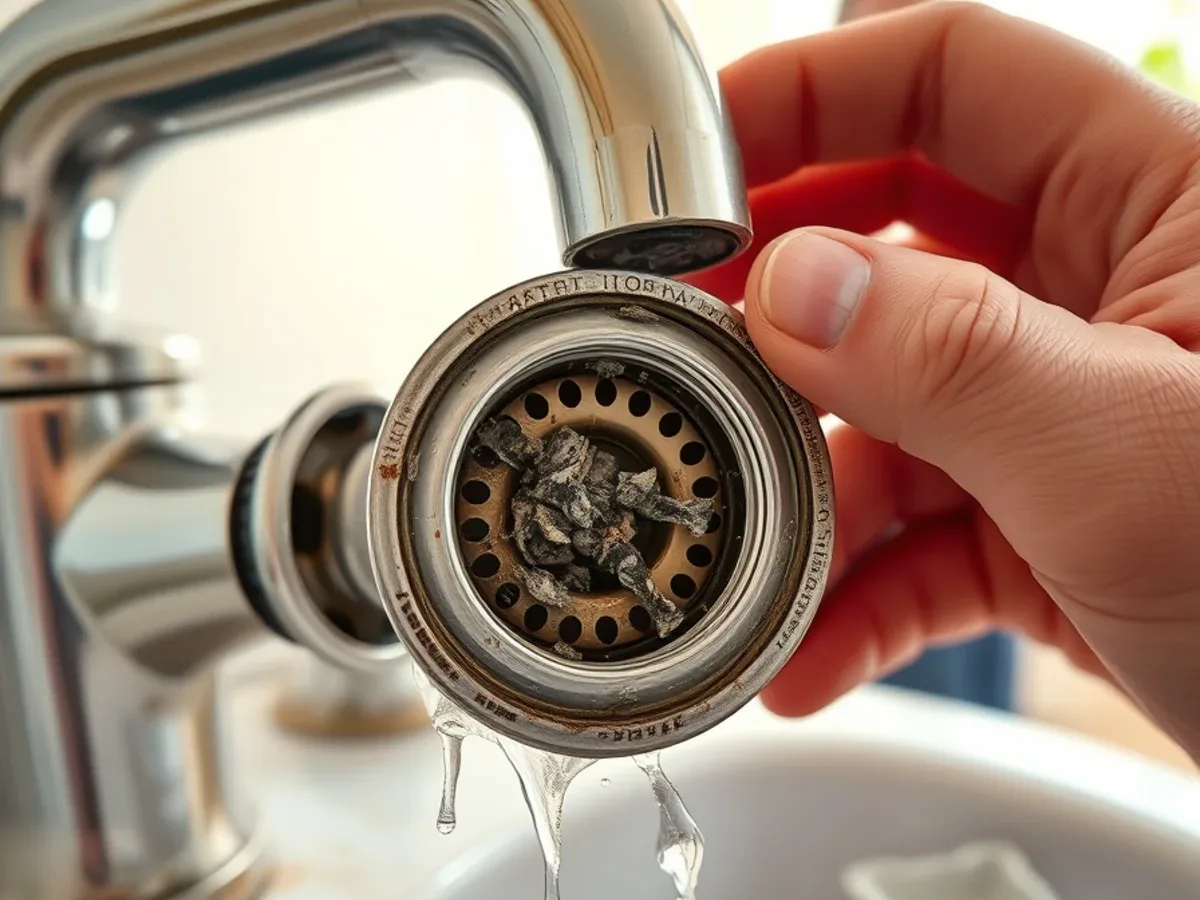
Aerators and showerheads that pack up with grit and debris far faster than mineral scale alone would explain are the other version of this. What is packing them is coming from somewhere, and on an old galvanized system it is the inside of the pipe shedding.
This one on its own is not conclusive — hard water alone produces plenty of aerator clogging in Apache Junction. It matters as a corroborating sign alongside pressure decline or discoloured water.
7. When a repipe is NOT the answer
Being straight about this matters more than the rest of the article.
If your pressure dropped suddenly rather than gradually, that is not corroded pipe — check the pressure regulator, the main valve position and whether a whole-house filter cartridge has been neglected. A failed PRV is a fraction of the cost of a repipe and produces exactly the same complaint.
If only one fixture is weak, it is an aerator or a cartridge. Nobody needs a repipe for that.
If your house has copper or PEX in good condition with no leak history, no. Age alone is not a reason — well-installed copper in favourable water lasts a very long time.
If you are selling within a year and the system has no known defect, the return does not materialise in that window. The exception is polybutylene, which buyers and inspectors specifically look for and price against.
And if someone quotes a repipe without measuring your static and dynamic pressure and verifying pipe material in more than one location, get a second opinion. Partial repipes are common, and what is under the kitchen sink is frequently not what is in the bathroom wall.
Frequently asked questions
Look under two sinks tonight
It takes a minute and it answers most of this article. Gray flexible pipe stamped PB2110 means you should be planning rather than hoping. Threaded steel with rusty morning water means your pressure will keep declining. Copper or PEX in good condition with no leak history means you can stop worrying about it.
Send us a photo and we will tell you what you are looking at for free, and if it is a repipe, you get a fixed written quote with the drywall repair included and no pressure attached.
Services mentioned in this article
- Repipingin Apache Junction, AZ
- Water Pressurein Apache Junction, AZ
- Slab Leak Repairin Apache Junction, AZ