Top Plumbing Issues in Superstition Mountain Neighborhoods
Foothill homes have a different set of problems from the rest of town — and almost none of them are the ones people expect.
The short answer
Foothill homes have a different problem set from the rest of town. Elevation-driven pressure swings, ninety-second waits for hot water on long runs, hard water attacking premium equipment, undersized gas lines to pool heaters, and monsoon runoff arriving fast from uphill — but almost no polybutylene or galvanized.
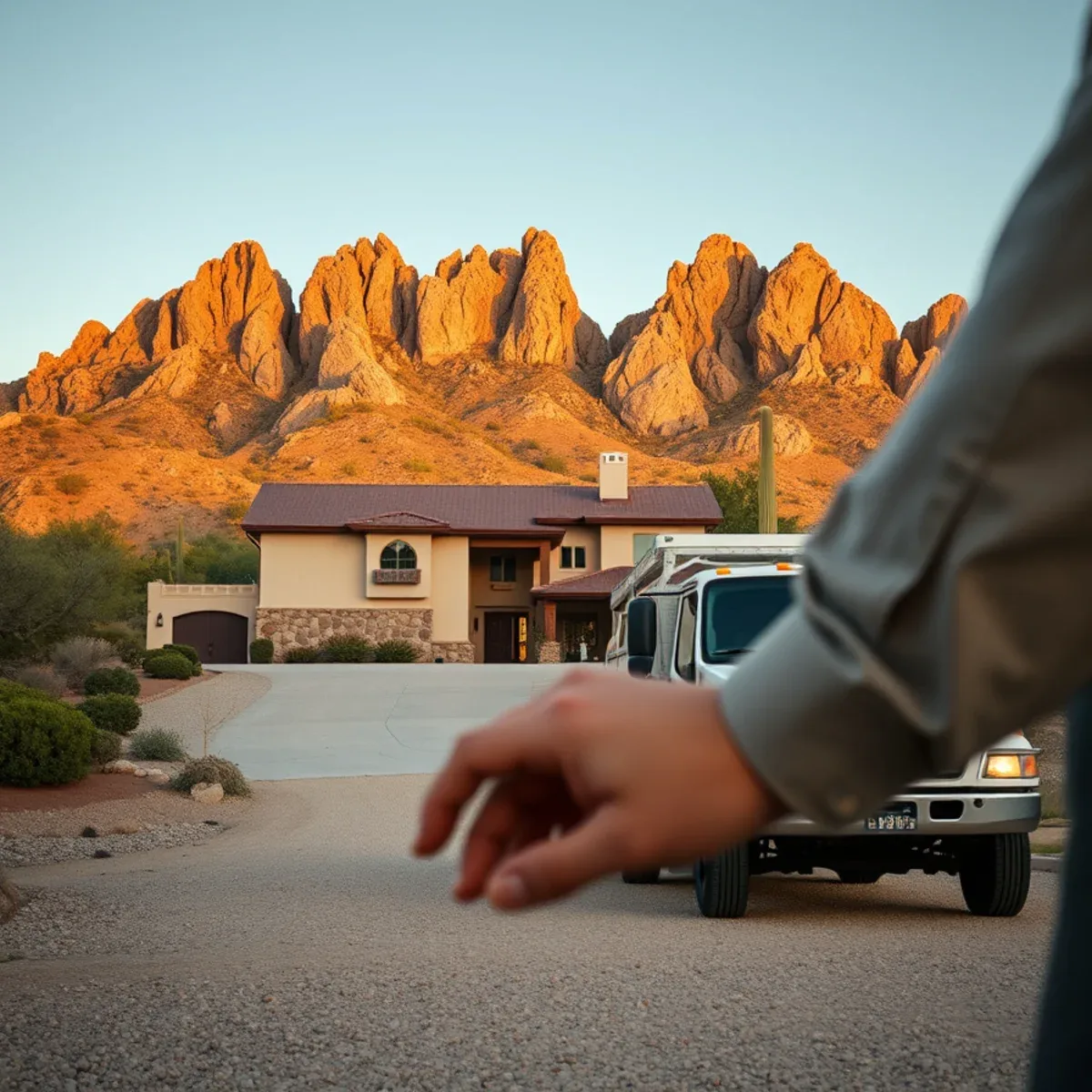
The neighborhoods along the base of the Superstitions — Superstition Foothills, the areas around Superstition Mountain Golf & Country Club, Mountainbrook, and across into Gold Canyon — have a plumbing profile that is genuinely different from the rest of Apache Junction.
The housing is newer and better built, so there is essentially no polybutylene and no galvanized. That removes the two biggest problems in the older parts of town. What replaces them is a set of issues that come from terrain, from lot size, and from the fact that these homes have more equipment worth protecting.
Here is what we actually get called for up here.
1. Pressure that varies with where you are on the hill
Elevation change across these neighborhoods is substantial, and water pressure varies with it in a way that flat-valley construction never deals with.
Homes at the lower end of a pressure zone can see static pressure well above what residential fixtures are rated for. That does not feel like a problem — a strong shower feels like a benefit — but above about 80 psi you are continuously stressing every joint, valve, appliance hose and the water heater. It is a real contributor to burst supply connectors and early fixture failure.
Homes at the upper end have the opposite complaint, and there the answer is usually confirming there is no restriction before anyone considers a booster.
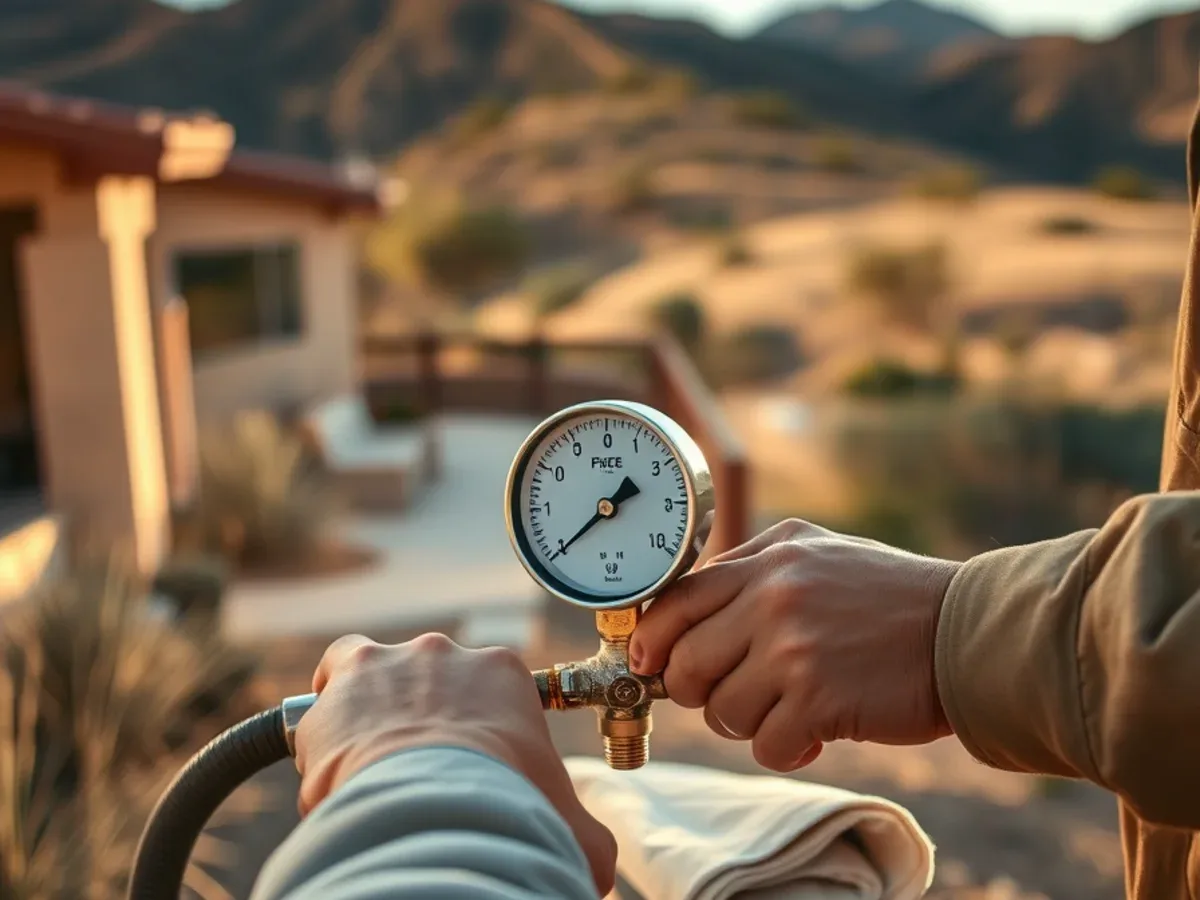
The fix in both directions is a working pressure reducing valve, and PRVs are a wearing part with a service life of ten to fifteen years. On a home in this area that has never had one replaced, testing it is a two-minute job with a gauge on a hose bib and it is frequently the highest-value plumbing check available.
2. Long runs, and the ninety-second wait for hot water
This is the quality-of-life complaint we hear most in the foothills. Large single-story homes on big lots mean the master bath can be a very long way from the water heater in the garage, and ninety seconds of running water before it turns hot is not unusual.
All of that is water going down the drain, every time, in a region where water is not a trivial resource.
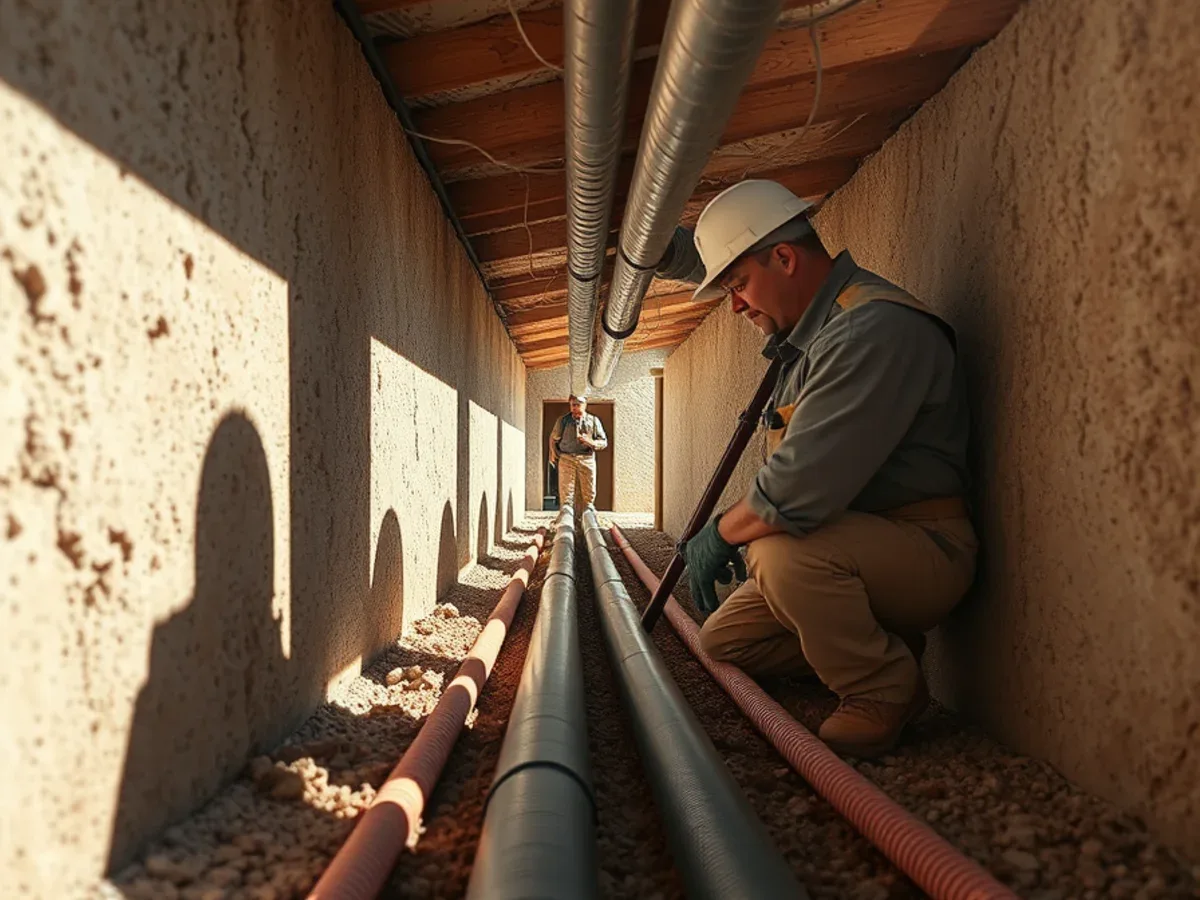
Recirculation solves it. Where the home was roughed in with a dedicated return line, a pump at the heater and a timer is straightforward. Where there is no return line — common even in newer construction — a crossover valve at the farthest fixture uses the cold line as the return path and achieves most of the same result.
Run it on a timer or on demand rather than continuously. Circulating hot water through a long run twenty-four hours a day in a house this size is a genuine ongoing cost, and the whole point is efficiency.
Dedicated return line
Best system, straightforward where it was roughed in during construction.
Crossover valve
Uses the cold line as the return. The retrofit answer where no return line exists.
Timer or on-demand control
Essential. Continuous circulation in a large home is a real ongoing cost.
Point-of-use heater
Sometimes the simpler answer for one very remote fixture.
3. Hard water on equipment that deserved better
Foothill homes tend to have equipment worth protecting: tankless water heaters, thermostatic shower valves, filtered ice makers, pot fillers, steam showers, and fixtures where a cartridge costs real money.
All of it is running on water at 15 to 25 grains per gallon, and hardness does not care what anything cost.
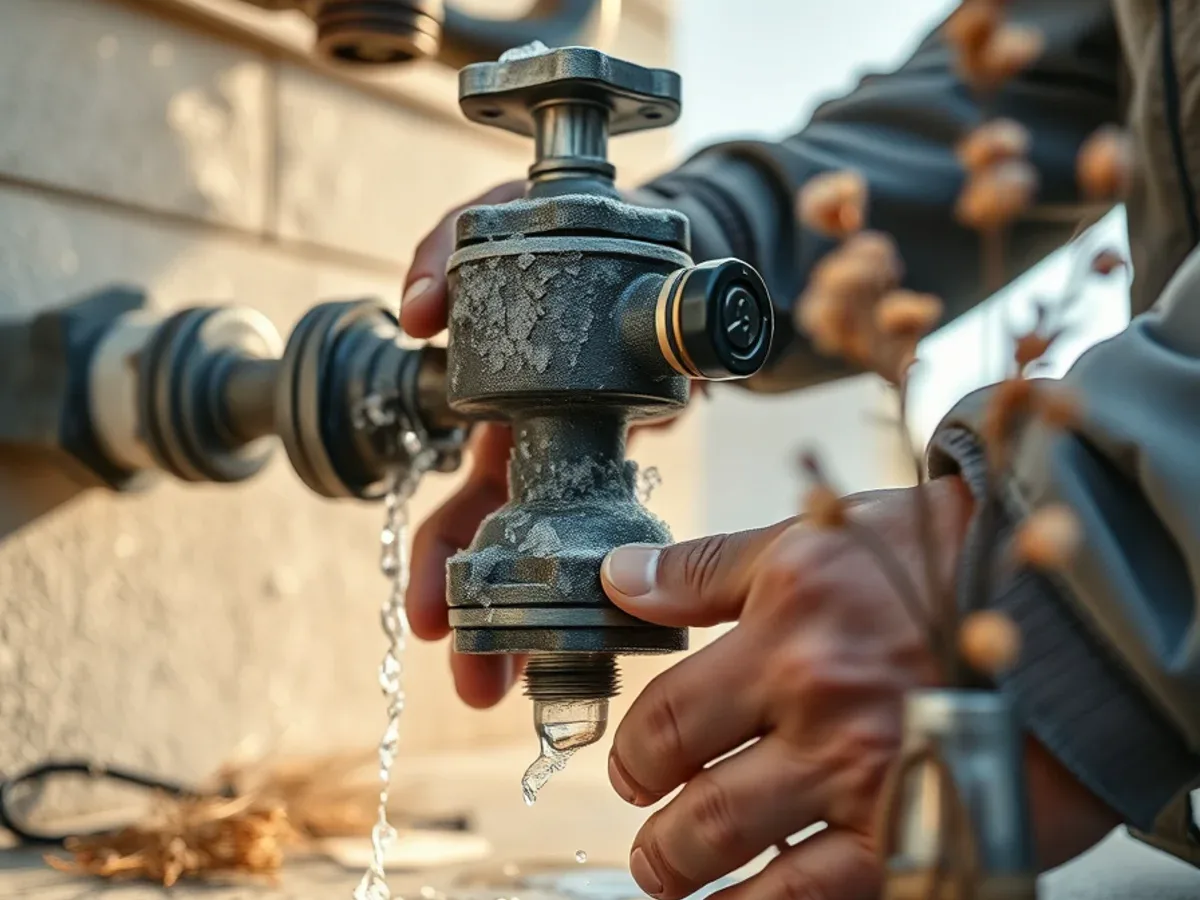
Tankless units are the clearest case. Every manufacturer publishes a maximum hardness in the installation manual and local water exceeds it, often by double. Without a softener or a dedicated scale filter on the inlet, the heat exchanger scales and can fail years early — and because the manual was not followed, warranty coverage becomes an argument you may lose.
Thermostatic and pressure-balancing shower valves are the other one. The internal spool that keeps hot and cold in ratio stops moving freely once it is coated in calcium, which is exactly why an expensive shower stops holding temperature when someone starts the washing machine.
A correctly sized softener is the single highest-return plumbing decision in these neighborhoods, and it costs less than one premature tankless heat exchanger.
4. Long gas runs to the far corner of the lot
Big lots mean outdoor living, and outdoor living here means built-in grills, fire features, patio heaters and pool or spa heaters. All of those are gas appliances at the maximum distance from the meter.
That combination — high BTU demand at long developed length — is precisely what exposes an undersized gas line, and it is the most common defect we find on work somebody else did in this area.
The symptoms are subtle rather than dramatic: a pool heater that never quite reaches temperature, a grill that runs weak when the fire pit is lit, or appliances inside the house that misbehave when something outside is running. All of it is the same problem, which is a line that cannot deliver the volume the load requires.
The right approach is a proper load calculation across every gas appliance, measurement of the developed length including fittings, and confirmation that the meter itself can carry the total. If you are planning hardscape, running gas before the concrete goes down saves a substantial amount.

5. Monsoon runoff behaves differently on a slope
Flat-lot drainage problems are about water not going anywhere. Foothill drainage problems are about water arriving fast from uphill.
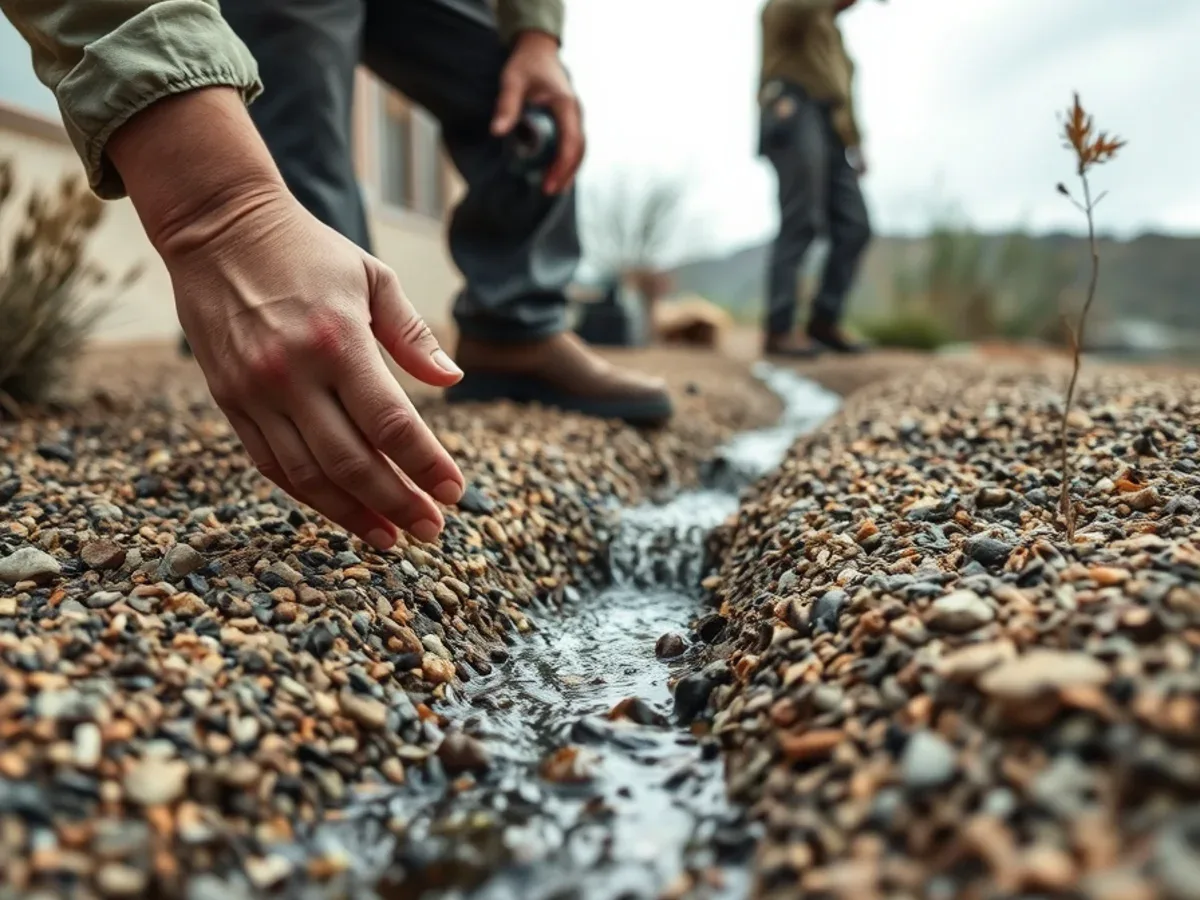
During a monsoon storm, a property on a slope can receive significant runoff from above, and desert soil with a caliche layer sheds rather than absorbs it. That water finds the lowest opening, and on properties with below-grade equipment pits, sunken patios or garages cut into a slope, that opening is sometimes inside the building.
Where a low point genuinely collects water with no gravity route out, a sump pump with a battery backup is the answer — and the backup matters, because the storms that produce the water are frequently the storms that take the power out.
The more common version is simpler: yard drains and area drains packed with gravel and debris washed down from uphill, so they stop accepting water exactly when they are needed. Clearing them before June is a ten-minute job.
6. Wells on the eastern edge
As these neighborhoods extend east toward Gold Canyon and out past the golf communities, more properties sit on private wells rather than municipal supply.
That changes the whole equipment picture: a submersible pump, a pressure tank, a pressure switch and a wellhead that are all yours to maintain, plus treatment designed around what the aquifer actually contains rather than what a municipal utility treated out.
The failure we diagnose most often is a waterlogged pressure tank causing the pump to short-cycle. It presents as "the pump is failing", it is far cheaper to fix than a pump, and left alone it is what actually destroys the pump.
And treatment sequence matters more than brand: sediment first, then iron and sulfur removal, then softening. A softener installed ahead of iron removal fouls its resin permanently, and that is an expensive lesson.
Frequently asked questions
Different neighborhood, different list
Nothing in this article is about polybutylene or corroded galvanized, which is what dominates the rest of Apache Junction. Up here it is pressure zones, long runs, hard water on good equipment, undersized gas lines and slope drainage.
We are about twelve minutes from most of this area. If any of it sounds like your house, call and we will measure before recommending anything.
Services mentioned in this article
- Water Pressurein Apache Junction, AZ
- Tankless Water Heatersin Apache Junction, AZ
- Gas Linesin Apache Junction, AZ